334 posters, 125 sessions, 831 authors, 236 institutions
ePostersLive by SciGen Technologies S.A. All rights reserved.
78th Annual PostGraduate Assembly in Anesthesiology (PGA78) 2024
December 6 - 9, 2024 | New York City

4143
Anesthetic Management for Non-Neurological Surgery in Patients with Traumatic Brain Injury
Poster Presenter
Part of Topic
-
Traumatic brain injury (TBI) is known to be associated with persistent cognitive deficits and functional impairments1.
-
Through a retrospective secondary data analysis, it was also found that extracranial surgery and anesthesia in patients with TBI was associated with adverse functional outcomes and diminished executive functioning1.
-
In contrast, anesthetic management is not well studied in patients with TBI and there are no current guidelines for anesthetic management in patients with TBI having non-neurological surgery.
-
A literature search was conducted twice on PubMed. The first search, using "anesthesia AND chronic traumatic encephalopathy (CTE)" limited to the past 10 years in English, yielded 8 results, none addressing anesthetic management of CTE.
-
The second search, using "anesthesia AND traumatic brain injury" over the past 10 years, produced 827 results. After excluding terms like "intensive" and "ICU," only one relevant result remained: a commentary highlighting the need for research on anesthesia, surgery, and neurocognitive outcomes in TBI patients.
-
Concerns remain of acute increase in anxiety, depression, and fatigue within one week following general anesthesia in patients with TBI compared to those that were unanesthetized 2. Additionally, there is a lack of support for general anesthesia leading to dementia in patients with TBI 2. These results would indicate that neurophysiology in those patients with chronic TBI have the potential for greater effect as a result of anesthetics than those without, regardless of the type of surgery 3.
-
The absence of standardized guidelines can lead to variability in practice, increasing the risk of adverse events. Anesthesiologists may face difficult decisions regarding the choice of anesthetic agents, airway management, and hemodynamic monitoring in these patients, especially when balancing the risks of neurological deterioration against the necessity of the surgical procedure.
-
Moreover, the interplay between TBI and other systemic conditions often encountered in trauma patients—such as hypovolemia, hypoxia, and metabolic disturbances—further complicates anesthetic management.
-
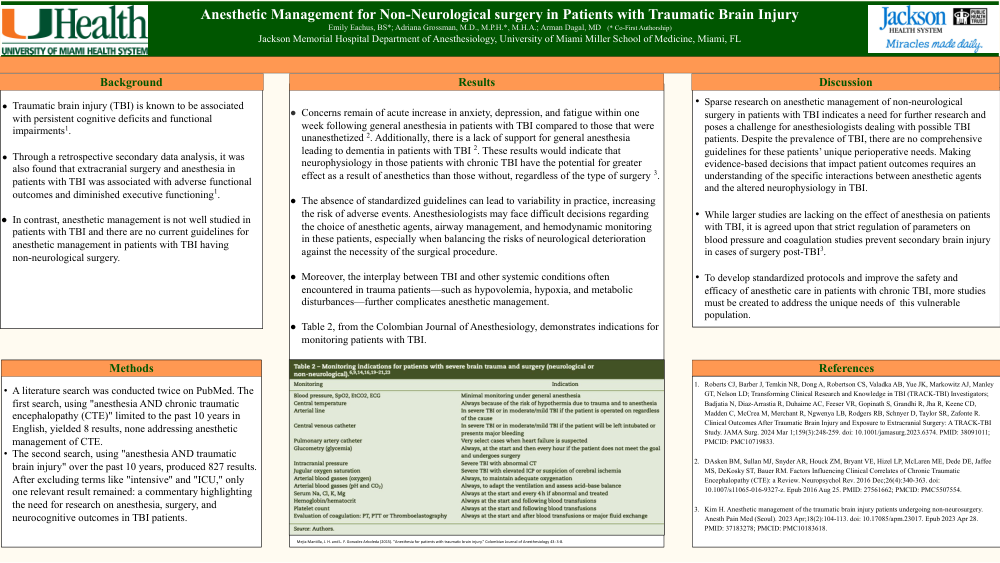
Table 2, from the Colombian Journal of Anesthesiology, demonstrates indications for monitoring patients with TBI.
-
Sparse research on anesthetic management of non-neurological surgery in patients with TBI indicates a need for further research and poses a challenge for anesthesiologists dealing with possible TBI patients. Despite the prevalence of TBI, there are no comprehensive guidelines for these patients’ unique perioperative needs. Making evidence-based decisions that impact patient outcomes requires an understanding of the specific interactions between anesthetic agents and the altered neurophysiology in TBI.
-
While larger studies are lacking on the effect of anesthesia on patients with TBI, it is agreed upon that strict regulation of parameters on blood pressure and coagulation studies prevent secondary brain injury in cases of surgery post-TBI3.
-
To develop standardized protocols and improve the safety and efficacy of anesthetic care in patients with chronic TBI, more studies must be created to address the unique needs of this vulnerable population.