425 posters, 1 videos, 9 audios, 8 topics, 53 sessions, 340 authors, 286 institutions
ePostersLive by SciGen Technologies S.A. All rights reserved.
22nd Annual Pain Medicine Meeting 2023
November 10 - 11, 2023 | New Orleans Marriott | New Orleans, Louisiana, USA

4814
A PUZZLING CASE OF CATHETER ADHESION IN THE SETTING OF INFLAMMATORY MASS FORMATION
Poster Presenter
Authors
Affiliations
Part of Topic
Medically Challenging Cases
INTRODUCTION
Since the advent of intrathecal pumps (ITPs) in the 1980s, patients suffering from severe intractable chronic pain have been presented with an alternative option to orally administered analgesics, with the added benefit of having far fewer systemic side effects.1 Undoubtedly, the success of intrathecal drug delivery systems (IDDSs) has led to their growing popularity; however, it is essential to acknowledge that documented complications do exist. One such infrequent yet significant complication involves the formation of inflammatory masses (IM) at the tip of intrathecal catheter.1 These masses have been reported to obstruct the catheter and impede efficacy of pain relief, and/or exert a mass effect leading to spinal cord compression and neurologic weakness, and impede the efficacy of analgesic relief.1 Although uncommon, the impact of IMs on patient well-being underscores the importance of understanding, detecting, and managing this complication to optimize the effectiveness and safety of intrathecal pump therapy.2,3
METHODS
This case report contains no patient identifiable information. This makes it exempt from IRB review as is the Policy of the University of New Mexico Health Sciences Center. The patient involved provided consent for the submission of a case report.
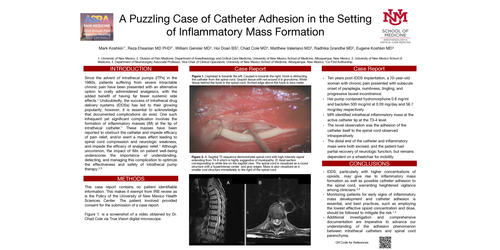
Figure 1. is a screenshot of a video obtained by Dr. Chad Cole via True Vision digital microscope.
Case Report
• Ten years post-IDDS implantation, a 70-year-old woman with chronic pain presented with subacute onset of paraplegia, numbness, tingling, and progressive bowel incontinence.
• Her pump contained hydromorphone 0.8 mg/ml and baclofen 500 mcg/ml at 0.09 mg/day and 56.7 mcg/day respectively.
• MRI identified intrathecal inflammatory mass at the active catheter tip at the T3-4 level.
• The novel observation was the adhesion of the catheter itself to the spinal cord observed intraoperatively.
• The distal end of the catheter and inflammatory mass were both excised, and the patient had partial recovery of neurologic function, but remains dependent on a wheelchair for mobility.
CONCLUSIONS
• IDDS, particularly with higher concentrations of opioids, may give rise to inflammatory mass formation as well as possible catheter adhesion to the spinal cord, warranting heightened vigilance among clinicians.4,5
• Monitoring patients for early signs of inflammatory mass development and catheter adhesion is essential, and best practices, such as employing the lowest effective opioid concentration and dose, should be followed to mitigate the risk.1,4
• Additional investigation and comprehensive documentation are imperative to advance our understanding of the adhesion phenomenon between intrathecal catheters and spinal cord parenchyma.