586 posters, 8 topics, 23 sessions, 1,077 authors, 622 institutions
ePostersLive by SciGen Technologies S.A. All rights reserved.
ISQua's 40th International Conference 2024
24th - 27th September 2024 | Istanbul, Türkiye

ISQUA2024-ABS-3390
Association between PM2.5 exposure and incident Metabolic Dysfunction-Associated Steatotic Liver Disease (MASLD): a Cohort Study
Poster Presenter
Authors
Affiliations
National Cheng Kung University Hospital, 1Department of Gastroenterology and Hepatology, Tainan Hospital, Ministry of Health and Welfare, 2Department of Internal Medicine, 3Department of Public Health, College of Medicine, National Cheng Kung University, Tainan, Taiwan, 2Department of Internal Medicine, College of Medicine, National Cheng Kung University, Tainan, Taiwan, 1Department of Public Health, College of Medicine, National Cheng Kung University, Tainan, Taiwan; 4Department of Public Health, College of Public Health, China Medical University, Taichung, Taiwan
Part of Topic
Navigating Climate Change and Sustainability in Healthcare System
Introduction
Metabolic dysfunction-associated steatotic liver disease (MASLD) represents a significant global health challenge. Recent redefinitions of the disease [1] highlight its growing prevalence and the associated increase in morbidity and mortality [2]. Emerging evidence suggests a link between MASLD and environmental factors, such as air pollution [3].
Aim
To explore the association between particulate matter with an aerodynamic diameter ≤ 2.5 μm (PM2.5) exposure incident MASLD
Method
1) BMI ≥ 23 kg/m2 (in Asians) or waist circumference (WC) >94cm in men or WC >80cm for women; 2) fasting serum glucose ≥ 100 mg/dL or HbA1c ≥ 5.7% or type 2 diabetes or under treatment for type 2 diabetes; 3) BP ≥ 130/85mmHg or under specific antihypertensive drug treatment; 4) plasma triglyceride ≥ 150 mg/dL or under lipid lowering treatment ; 5) plasma high-density lipoprotein ≤ 40 mg/dL in or ≤ 50 mg/dL in women or under lipid lowering treatment [1].
A time-dependent Cox regression model, incorporating Fine-Gray sub-distribution hazards to account for mortality as a competing risk, was employed to analyze
he hazard ratio (HR) for MASLD development during the follow-up period.
Results
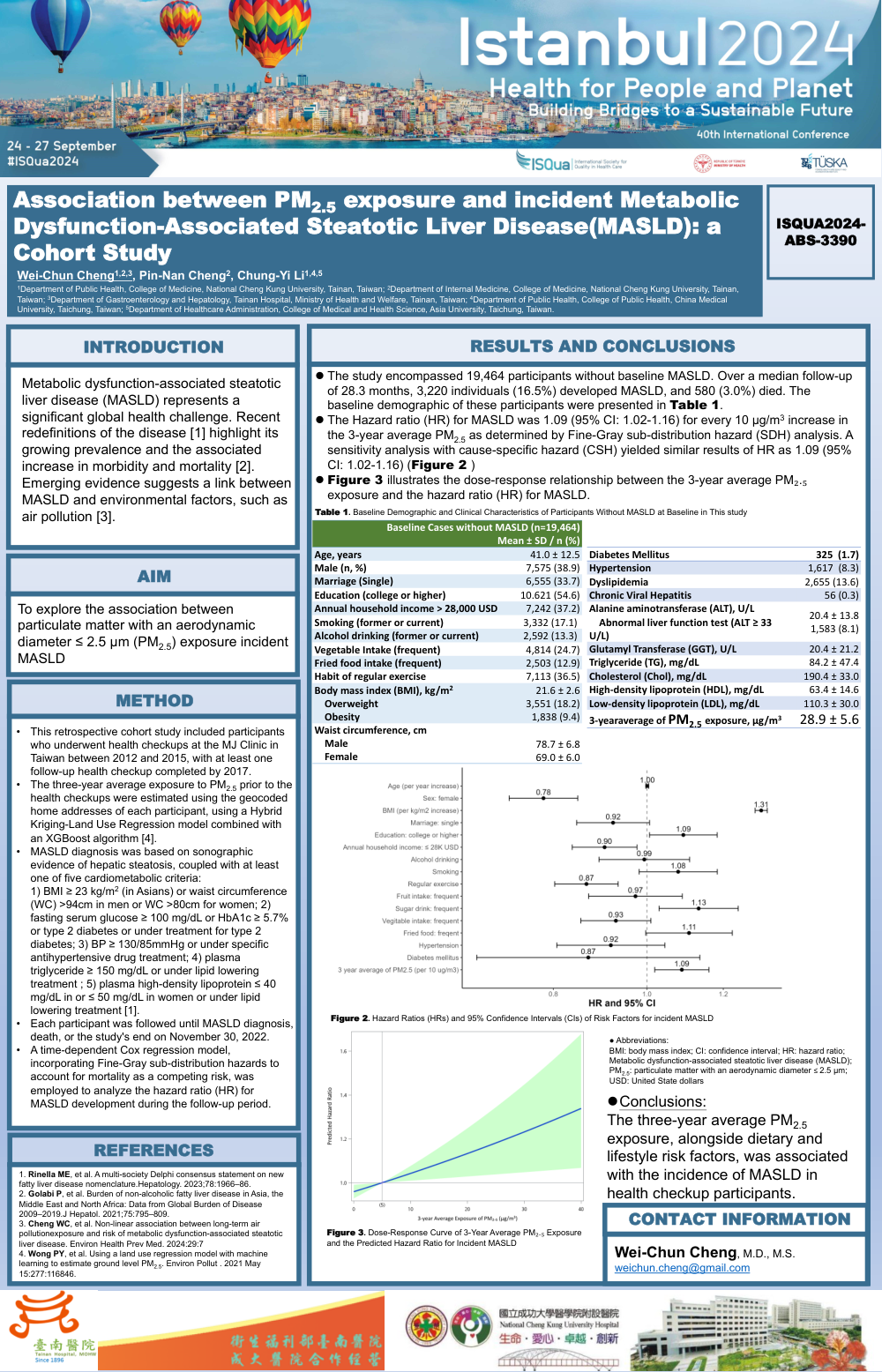
Table 1. Baseline Demographic and Clinical Characteristics of Participants Without MASLD at Baseline in This study

Figure 2. Hazard Ratios (HRs) and 95% Confidence Intervals (CIs) of Risk Factors for incident MASLD


Figure 3. Dose-Response Curve of 3-Year Average PM₂.₅ Exposure and the Predicted Hazard Ratio for Incident MASLD
Conclusions:
The three-year average PM2.5 exposure, alongside dietary and lifestyle risk factors, was associated with the incidence of MASLD in health checkup participants.