4,068 posters, 219 videos, 101 topics, 69 sessions, 14,365 authors, 6,128 institutions
ePostersLive by SciGen Technologies S.A. All rights reserved.
Alzheimer's Association International Conference 2026
July 12-15, 2026 | London, United Kingdom, and Online

13788
The Role Of MEN1 In Neurodegeneration: Insights From Postmortem Human Brains With Alzheimer's Disease
Poster Presenter
Part of Topic
Virtual
The Role of MEN1 in Neurodegeneration: Insights from Postmortem Human Brains with Alzheimer’s Disease
Duaa-Azeem Choudhary1, Zainab Khan2, Badra Abbas3, Naweed Imam Syed2
1University of Calgary, 2Hotchkiss Brain Institute, 3Cumming School of Medicine
Increased Expression of MEN1 and Related Cholinergic and Synaptic Genes in Alzheimer’s Disease Tissue
Introduction:
55 million people live with dementia globally: Alzheimer’s disease (AD) accounts for 60-70% of these cases. Currently, no cure or truly preventative treatment exists.
Despite significant progress in understanding tau and amyloid pathology (Tau and Amyloid hypotheses), AD’s fundamental mechanisms remain elusive.
The Cholinergic Hypothesis of AD: implicates impaired cholinergic synaptic function underlying learning, memory and cognition where nicotinic acetylcholine receptors (nAChRs) play an important role.
Multiple Endocrine Neoplasia Type 1 (MEN1):
MEN1 is mainly known as a tumor-suppressor gene: it functions in cell cycle signaling, DNA repair and transcriptional regulation. It encodes the scaffold protein menin.
- MEN1 knockdown blocks synapse development.
- MEN1 regulates nAChR expression and function.
- Loss of MEN1impairs learning and memory in mice.
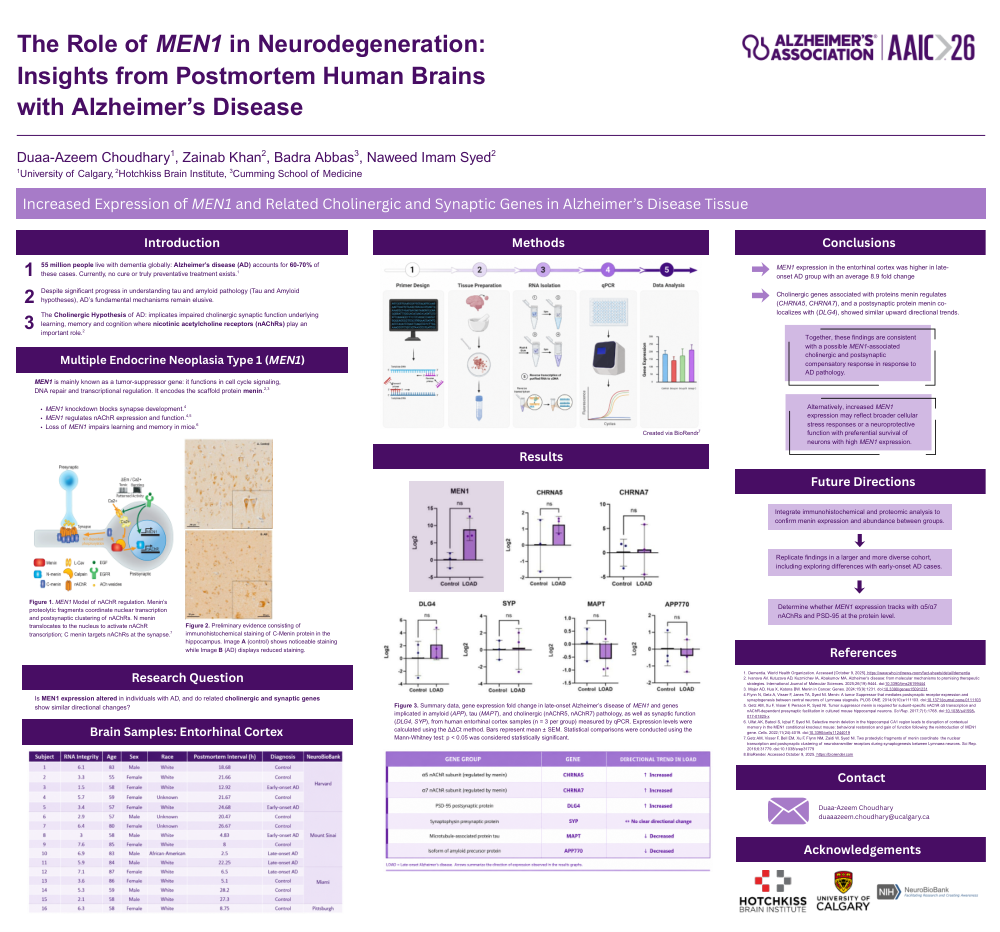
Figure 1.MEN1 Model of nAChR regulation. Menin’s proteolytic fragments coordinate nuclear transcription and postsynaptic clustering of nAChRs. N menin translocates to the nucleus to activate nAChR transcription; C menin targets nAChRs at the synapse.7
Figure 2. Preliminary evidence consisting of immunohistochemical staining of C-Menin protein in the hippocampus. Image A (control) shows noticeable staining while Image B (AD) displays reduced staining.
Research Question:
Is MEN1 expression altered in individuals with AD, and do related cholinergic and synaptic genes show similar directional changes?
Brain Samples:
Late-onset AD, early-onset AD, and control entorhinal cortex samples spanning various ages and sexes.
Results:
Figure 3. Summary data, gene expression fold change in late-onset Alzheimer’s disease of MEN1 and genes implicated in amyloid (APP), tau (MAPT), and cholinergic (nAChR5, nAChR7) pathology, as well as synaptic function (DLG4, SYP), from human entorhinal cortex samples (n = 3 per group) measured by qPCR. Expression levels were calculated using the ΔΔCt method. Bars represent mean ± SEM. Statistical comparisons were conducted using the Mann-Whitney test: p < 0.05 was considered statistically significant.
MEN1 expression in the entorhinal cortex was higher in late-onset AD group with an average 8.9 fold change
Cholinergic genes associated with proteins menin regulates (CHRNA5, CHRNA7), and a postsynaptic protein menin co-localizes with (DLG4), showed similar upward directional trends.
Together, these findings are consistent with a possible MEN1-associated cholinergic and postsynaptic compensatory response in response to AD pathology. Alternatively, increased MEN1 expression may reflect broader cellular stress responses or a neuroprotective function with preferential survival of neurons with high MEN1 expression.
Future Directions:
Integrate immunohistochemical and proteomic analysis to confirm menin expression and abundance between groups.
Replicate findings in a larger and more diverse cohort, including exploring differences with early-onset AD cases.
Determine whether MEN1 expression tracks with α5/α7 nAChRs and PSD-95 at the protein level.
Contact:
Duaa-Azeem Choudhary
duaaazeem.choudhary@ucalgary.ca
Acknowledgements:
University of Calgary, Hotchkiss Brain Institute, NeuroBioBank
Comments
Email is required but is not shown publicly.
Loading comments...