708 posters, 8 topics, 16 sessions, 1,190 authors, 600 institutions
ePostersLive by SciGen Technologies S.A. All rights reserved.
ISQua's 39th International Conference 2023
August 27 - 30, 2023 | Seoul, Republic of Korea

P708
A DEPARTMENT AND HOSPITAL-LEVEL QUALITY IMPROVEMENT PROJECT TO IMPROVE PREPAREDNESS FOR MAJOR HEAT EVENTS BASED ON THE LIVED EXPERIENCE OF FRONTLINE WORKERS DURING THE 2021 HEAT DOME
Part of Topic
Patient Safety & Quality Improvement
Lessons from the Heat Dome: An ED and hospital-level QI project to improve preparedness for major heat events based on lived experiences of frontline workers
Dr. Rod Vafaei MD, MBT1 and Dr. Christian Turner BSc, MD, FRCPC2
1Emergency Medicine Residency Program, University of British Columbia, Department of Emergency Medicine
2Department of Emergency Medicine and Department of Critical Care, Victoria General Hospital and Royal Jubilee Hospital
INTRODUCTION
The report for the Chief Coroner of British Columbia identified 619 heat related deaths between June 25th and July 1st, 2021, during the unprecedented heat dome event. Massive patient surges during this time challenged emergency departments with equipment, staff and space shortages. As heat events and extreme temperatures are expected to worsen with global warming, we set out to identify pragmatic bottom-up ED and hospital-level changes to improve preparedness for future heat events at two tertiary care hospitals.
AIM
To improve hospital preparedness for major heat events, as measured by front-line worker confidence, by implementing the most feasible recommendations from nurses and physicians directly involved in the care of heat wave affected patients.
METHOD
Data was collected with surveys. Plan-do-study-act (PDSA) cycles were annual. Our primary measures:
- Staff reported sense of preparedness
- Feedback on what was found helpful and what could be improved, and
- Awareness and utility of interventions.
All open-ended feedback was coded under one or more unique categories to identify trends
NEEDS ASSESSMENT
We surveyed ED and ICU Nurses and Physicians, as well as Hospitalists who had been involved with heat related illness cases during the 2021 heat dome. This data highlighted key areas of improvement and directly informed our interventions. Most cited feedback included shortages of cooling equipment, need for surge planning, staffing shortages, education and preparation of staff, and system level concerns
RECOMMENDATIONS NOT YET IMPLEMENTED
- Revamp code orange protocol to ensure sequestration of surge patients to AC area
- ED AC and entry upgrade to accommodate high temperatures and doors open continuously from patient lineups
- Rapid liberation of EMS to address critical shortage
- Auxiliary/surge staffing plan for ED, wards and EMS
INTERVENTIONS INTRODUCED
- Contingency plan for ice depletion in ED
- Heat stroke management protocol and simulation
- Purchasing and inventory of ED equipment (fans, misting equipment, esophageal temp probes, fluid containment bags, self-service water stations, etc.)
- Standardized heat stroke investigation panel
- Hospital level surge planning such as indoor AC refuge for walking well, rapid ward decanting, surge bed planning, and rapid admission to ICU for heat stroke patients to offload ED
- List of cooling stations and air-conditioned shelters in city area to redirect well patients
- Heat warning system (BCHARS) liaison for staff and administration in advance of heat wave
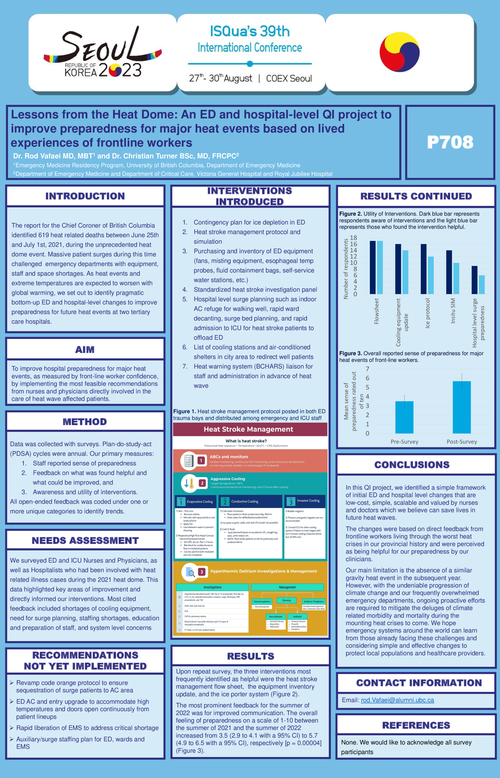
Figure 1. Heat stroke management protocol posted in both ED trauma bays and distributed among emergency and ICU staff
RESULTS
Upon repeat survey, the three interventions most frequently identified as helpful were the heat stroke management flow sheet, the equipment inventory update, and the ice porter system (Figure 2).
The most prominent feedback for the summer of 2022 was for improved communication. The overall feeling of preparedness on a scale of 1-10 between the summer of 2021 and the summer of 2022 increased from 3.5 (2.9 to 4.1 with a 95% CI) to 5.7 (4.9 to 6.5 with a 95% CI), respectively [p = 0.00004] (Figure 3).
RESULTS CONTINUED
Figure 2. Utility of Interventions. Dark blue bar represents respondents aware of interventions and the light blue bar represents those who found the intervention helpful.
Figure 3. Overall reported sense of preparedness for major heat events of front-line workers.
CONCLUSIONS
In this QI project, we identified a simple framework of initial ED and hospital level changes that are low-cost, simple, scalable and valued by nurses and doctors which we believe can save lives in future heat waves.
The changes were based on direct feedback from frontline workers living through the worst heat crises in our provincial history and were perceived as being helpful for our preparedness by our clinicians.
Our main limitation is the absence of a similar gravity heat event in the subsequent year. However, with the undeniable progression of climate change and our frequently overwhelmed emergency departments, ongoing proactive efforts are required to mitigate the deluges of climate related morbidity and mortality during the mounting heat crises to come. We hope emergency systems around the world can learn from those already facing these challenges and considering simple and effective changes to protect local populations and healthcare providers
CONTACT INFORMATION
Email: rod.Vafaei@alumni.ubc.ca
REFERENCES
None. We would like to acknowledge all survey participants