293 posters, 56 videos, 24 topics, 13 sessions, 658 authors, 215 institutions
ePostersLive by SciGen Technologies S.A. All rights reserved.
ISMICS 2025 Annual Meeting
28 - 31 May, 2025 | Istanbul, Turkey

P90
Technique And Outcomes Of A Reinforced Robotic Ivor-lewis Esophagectomyanastomosis
Poster Presenter
Authors
Affiliations
Part of Topic
Thoracic
Technique and Outcomes of a Reinforced Robotic Ivor-Lewis Esophagectomy Anastomosis
Camille Yongue MD,, Michael Zervos MD, Costas Bizekis MD
NYU Langone Health, Department of Cardiothoracic Surgery, Division of Thoracic Surgery
Goal:
To share our technique for a reinforced Ivor Lewis Esophageal robotic anastomosis as well as short term results.
Methods:
Consecutive series of adult patients from Jan. 2021 to Dec. 2024 who underwent robotic Ivor-Lewis esophagectomy by a two-surgeon thoracic team.
In all cases, the anastomosis was characterized by:
-Securing the gastric conduit to the posterior pleura to reduce tension.
Figure 1: Robotic Port Placement for the Right Chest
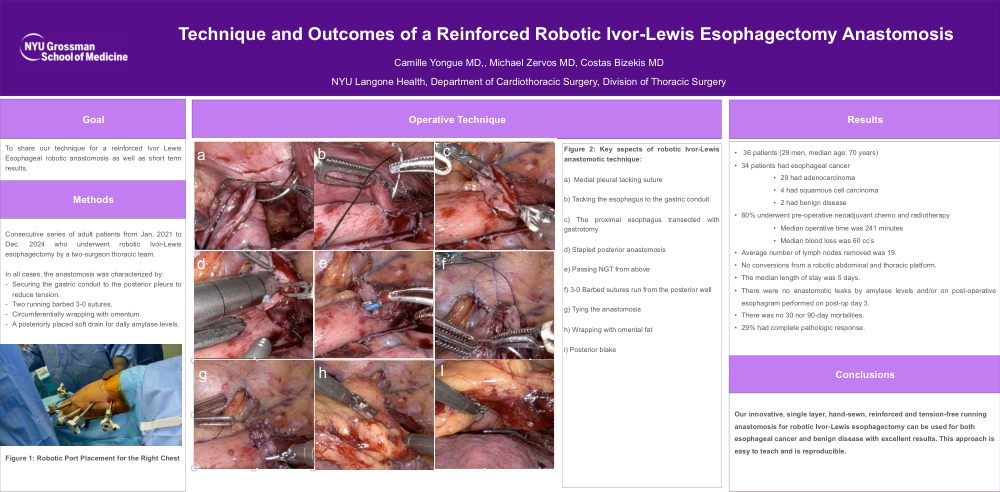
Figure 2: Key aspects of robotic Ivor-Lewis anastomotic technique:
a)Medial pleural tacking suture
c) The proximal esophagus transected with gastrotomy
d) Stapled posterior anastomosis
e) Passing NGT from above
f) 3-0 Barbed sutures run from the posterior wall
g) Tying the anastomosis
h) Wrapping with omental fat
i) Posterior blake
Results:
Conclusions:
Our innovative, single layer, hand-sewn, reinforced and tension-free running anastomosis for robotic Ivor-Lewis esophagectomy can be used for both esophageal cancer and benign disease with excellent results. This approach is easy to teach and is reproducible.