127 posters, 2 topics, 24 sessions, 326 authors, 85 institutions
ePostersLive by SciGen Technologies S.A. All rights reserved.
2023 ACP ANNUAL SESSION
October 25-28 | San Diego, CA

146
The Endodontic-Restorative Connection: Key Considerations for a Successful Interdisciplinary Relationship
Poster Presenter
Part of Topic
Original Research
The Endodontic-Restorative Connection:
Key Considerations for a Successful Interdisciplinary Relationship
Keyla Cruz Mendoza, DMD, Arturo Blanco-Plard DMD, MSD, FACP
Prosthodontics Graduate Program, University of Puerto Rico, School of Dental Medicine San Juan Puerto Rico
INTRODUCTION:
The importance of the endo-restorative relationship is critical for the successful completion of comprehensive treatment plans in the performance of endodontic interventions as well as restorative decisions have considerable effect on the short- and long-term success and failure of these procedures. The use of dental implants has been shown to be a successful but irreversible alternative. Due to the similar outcomes of implant treatment and root canal therapies, dentist face a challenge when deciding what to recommend to their patients. Also, cconservative approaches, with the goal of maximizing tooth structure have changed the scope of restorative dentistry as well as endodontics.
OBJECTIVES:
1. Enumerate key clinical considerations in decision making weather to keep or replace a tooth with an implant.
2. Emphasize the importance of the endo-restorative relationship, its evolution as a fundamental role in the success of dental treatments
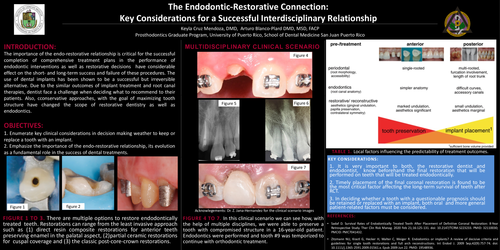
FIGURE 1 TO 3. There are multiple options to restore endodontically treated teeth. Restorations can range from the least invasive approach such as (1) direct resin composite restorations for anterior teeth preserving enamel in the palatal aspect, (2)partial ceramic restorations for cuspal coverage and (3) the classic post-core-crown restorations.
FIGURE 4 TO 7. In this clinical scenario we can see how, with the help of multiple disciplines, we were able to preserve a tooth with compromised structure in a 16-year-old patient. Endodontics were performed and tooth #9 was temporized to continue with orthodontic treatment.
KEY CONSIDERATIONS:
1. It is very important to both, the restorative dentist and endodontist, know beforehand the final restoration that will be performed on teeth that will be treated endodontically.
2. Timely placement of the final coronal restoration is found to be the most critical factor affecting the long-term survival of teeth after RCT.
3. In deciding whether a tooth with a questionable prognosis should be retained or replaced with an implant, both oral and more general patient-related factors must be considered.