1,267 posters, 47 videos, 13 topics, 4 sessions, 853 authors
ePostersLive by SciGen Technologies S.A. All rights reserved.
SOHO 2026 Annual Meeting
September 9 - 12, 2026 | George R. Brown Convention Center, Houston, Texas

ALL - 486
Deconvolution of Peripheral Blood Transcriptomes to Evaluate Immune Profiles Associated With Measurable Residual Disease in Pediatric Acute Lymphoblastic Leukemia: A Machine Learning-Driven Study
Poster Presenter
Authors
Part of Topic
Acute Lymphoblastic Leukemia (ALL)
Deconvolution of Peripheral Blood Transcriptomes to Evaluate Immune Profiles Associated with Minimal
Residual Disease in Pediatric Acute Lymphoblastic Leukemia:
A Machine Learning-Driven Study
Husna Irfan Thalib1, Sariya Khan1, Ayesha Jamal1, Ammarah Tayyebah1
, Fatima Aslam2
1Batterjee Medical College, Jeddah, Saudi Arabia; 2Tucson Medical Center, Tucson, Arizona, USA
Poster Code: soho2026.64308cd
Background
Results
Conclusion
• THE CLINICAL PROBLEM: MRD is a
major prognostic marker in pediatric ALL
and guides treatment stratification.
• THE GAP: Advanced immune profiling
can be resource-intensive and may
have limited accessibility.
• THE APPROACH: Peripheral blood
transcriptomic deconvolution may
provide a scalable method to
characterize immune-cell profiles
associated with MRD.
• HYPOTHESIS: Immune-cell profiles
inferred from peripheral blood
transcriptomes differ by MRD status and
can discriminate MRD-positive from
MRD-negative patients.
• OBJECTIVE: To determine whether
machine learning–based immune
deconvolution of peripheral blood
transcriptomes can identify immune-cell
patterns associated with MRD status in
pediatric ALL.
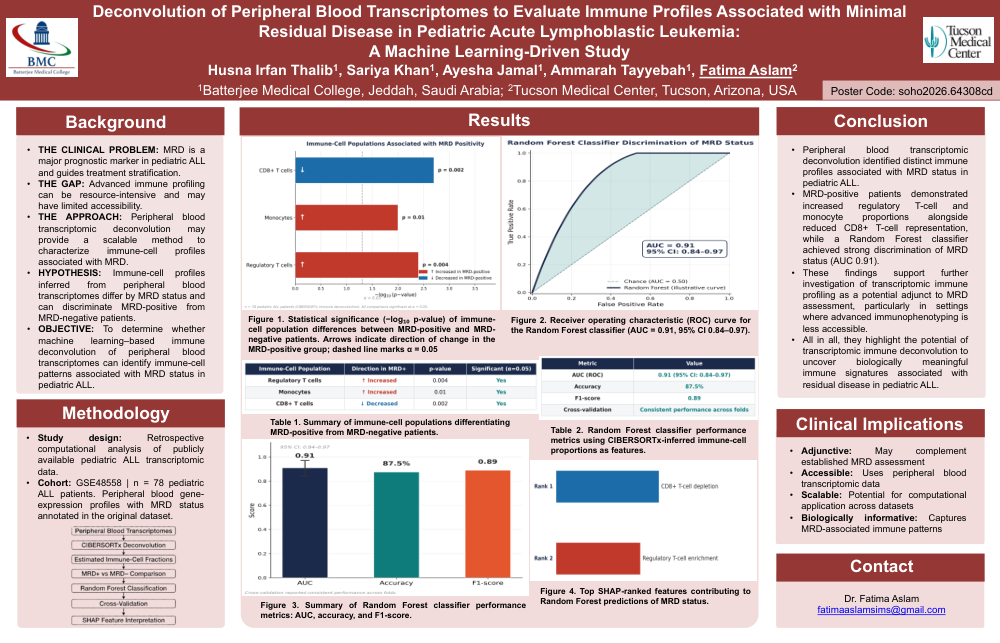
Figure 1. Statistical significance (−log₁₀ p-value) of immune-
cell population differences between MRD-positive and MRD-
negative patients. Arrows indicate direction of change in the
MRD-positive group; dashed line marks α = 0.05
Figure 2. Receiver operating characteristic (ROC) curve for
the Random Forest classifier (AUC = 0.91, 95% CI 0.84–0.97).
• Peripheral blood transcriptomic
deconvolution identified distinct immune
profiles associated with MRD status in
pediatric ALL.
• MRD-positive patients demonstrated
increased regulatory T-cell and
monocyte proportions alongside
reduced CD8+ T-cell representation,
while a Random Forest classifier
achieved strong discrimination of MRD
status (AUC 0.91).
• These findings support further
investigation of transcriptomic immune
profiling as a potential adjunct to MRD
assessment, particularly in settings
where advanced immunophenotyping is
less accessible.
• All in all, they highlight the potential of
transcriptomic immune deconvolution to
uncover biologically meaningful
immune signatures associated with
residual disease in pediatric ALL.
Methodology
Table 1. Summary of immune-cell populations differentiating
MRD-positive from MRD-negative patients.
Clinical Implications
• Study design: Retrospective
computational analysis of publicly
available pediatric ALL transcriptomic
data.
• Cohort: GSE48558 | n = 78 pediatric
ALL patients. Peripheral blood gene-
expression profiles with MRD status
annotated in the original dataset.
Table 2. Random Forest classifier performance
metrics using CIBERSORTx-inferred immune-cell
proportions as features.
• Adjunctive: May complement
established MRD assessment
• Accessible: Uses peripheral blood
transcriptomic data
• Scalable: Potential for computational
application across datasets
• Biologically informative: Captures
MRD-associated immune patterns
Contact
Figure 4. T