191 posters, 5 topics, 20 sessions, 393 authors, 116 institutions
ePostersLive by SciGen Technologies S.A. All rights reserved.
Obstetric Anaesthesia Annual Scientific Meeting 2023
18 - 19 May, 2023 | EICC Edinburgh

5809406
Case reports of functional neurological disorder after spinal anaesthesia for lower segment caesarean section
Poster Presenter
Authors
Affiliations
Part of Topic
Case report
Case studies of Functional Neurological Disorder after Spinal Anaesthesia for Lower Segment Caesarean Section
INTRODUCTION
CASE STUDY 1
A Category 3 LSCS at term was performed under a standard, straight-forward spinal anaesthetic, no immediate complications were noted.
5-hours post spinal: alongside residual lower limb weakness, she complained of a severe headache & new weakness of her upper limbs & face. Tone & sensation were normal, but motor power was reduced bilaterally in all upper & lower limb muscle groups. No history of incontinence. Given her history of PIH, she was treated with IV magnesium & a single bolus of IV labetolol. Bloods were normal. CT head, cranial magnetic resonance venography/arteriography, & MRI whole spine ruled out acute intracranial / spinal pathology though possible features of chronic raised pressure were reported.
Day 1 post LSCS: facial weakness resolved, but she felt she had residual weakness in all 4 limbs. A Consultant Neurologist felt she had normal cranial nerves & upper limb power & tone & normal lower limb tone, but noted objective weakness in her lower limbs with 3/5 power proximally & 4/5 distally. The unusual neurological pattern with absence of identifiable pathology led to a diagnosis of Functional Neurological Disorder (FND). She recovered full neurological function by 4 days post-partum.
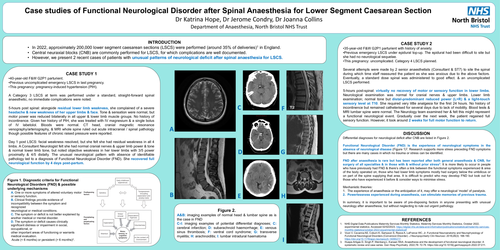
Figure 1. Diagnostic criteria for Functional Neurological Disorders (FND) & possible underlying mechanisms
A. One or more symptoms of altered voluntary motor or sensory function.
B. Clinical findings provide evidence of incompatibility between the symptom and recognized
neurological or medical conditions.
C. The symptom or deficit is not better explained by another medical or mental disorder.
D. The symptom or deficit causes clinically significant distress or impairment in social, occupational, or
other important areas of functioning or warrants medical evaluation.
Acute (< 6 months) or persistent (> 6 months)2.
CASE STUDY 2
Several attempts were made by 2 senior anaesthetists (Consultant & ST7) to site the spinal during which time staff reassured the patient as she was anxious due to the above factors. Eventually, a standard dose spinal was administered to good effect. & an uncomplicated LSCS performed.
5-hours post-spinal: virtually no recovery of motor or sensory function in lower limbs. Neurological examination was normal for cranial nerves & upper limbs. Lower limb examination; normal tone but distal-predominant reduced power (L>R) & a light-touch sensory level at T10. She required very little analgesia for the first 24 hours. No history of incontinence but remained catheterised for several days due to lack of mobility. Blood tests & MRI lumbar spine were normal. The Neurology team examined her & felt this might represent a functional neurological event. Gradually over the next week, the patient regained full sensory function. However, it took around 2 weeks for full motor function to return.
DISCUSSION
Differential diagnoses for neurological deficit after CNB are listed in Figure 2.
Functional Neurological Disorder (FND) is the experience of neurological symptoms in the absence of neurological disease (Figure 1)2. Research supports more stress preceding FND symptoms but there are many cases in which no trauma or stress can be identified.
FND after anaesthesia is rare but has been reported after both general anaesthesia & CNB, for surgery of all specialties & in those with & without prior stress3. It is more likely to occur in people who have previously had FND & there’s often a link between the functional symptoms experienced & area of the body operated on; those who had lower limb symptoms mostly had surgery below the umbilicus or on part of the spine supplying that area. It is difficult to predict who may develop FND but look out for those who have experienced it before & consider ways to minimise stress.
Mechanistic theories:
In summary, it is important to be aware of pre-disposing factors in anyone presenting with unusual neurology after anaesthesia, but without neglecting to rule out urgent pathology.
REFERENCES