167 posters, 28 videos, 9 topics, 12 sessions, 337 authors, 160 institutions
ePostersLive by SciGen Technologies S.A. All rights reserved.
ISMICS 2023 Annual Meeting
31 May - 3 June, 2023 | Boston, MA

PC04
A Nomogram For Predicting Prolonged Length Of Stay After Valve Surgery Via Mini-thoracotomy
Part of Topic
Valve - Surgical Valves
A Nomogram For Predicting Prolonged Length Of Stay After Valve Surgery Via Mini-thoracotomy
Vito Domenico Bruno MD, PhD, Bleri Celmeta MD, Arturo Bisogno MD, Tommaso Viva MD, Antonio Miceli MD PhD, Mattia Glauber MD
Objective
Although shortening the postoperative length of stay (LOS) has clinical and financial advantages1, no univocal method exists to systematically
reduce LOS after valve surgery. It is generally acknowledged that minimal access incisions are associated with reduced postoperative
length of stay (LOS) and previous evidence showed that mini-thoracotomy positively impacts on postoperative LOS when compared
to sternotomy2,3. Moreover, the recent introduction of the enhanced recovery after surgery protocol in cardiac surgery (ERAS®) has
significantly impacted on reducing LOS after surgery3. In this context, defining potential factors affecting LOS would be beneficial in
improving pre and postoperative care, reducing LOS and thus optimizing patient flow. We, therefore, aimed to identify preoperative predictors for prolonged
LOS and to create a risk score to identify patients at higher risk of prolonged LOS after valve surgery conducted via mini-thoracotomy.
Methods
This is a retrospective single-centre analysis of 189 consecutive patients undergoing aortic, mitral or tricuspid valve surgery at our institution
between October 2018 and May 2021. The surgeries were all conducted via a mini-thoracotomy. 119 patients underwent isolated mitral valve
(MV) surgery (83 repairs and 36 replacements), while 50 patients underwent isolated aortic valve (AV) replacement, and 5 patients
underwent isolated tricuspid (TV) surgery (4 repairs and 1 replacement). 15 patients underwent a combined double valve procedure (1 AV and
MV repair, 3 AV replacement and MV repair, 5 AV and MV replacement, 4 MV and TV repair and 2 MV replacement and TV repair). The patients
were divided in two groups according to the median postoperative LOS: 125 patients were included in the standard LOS group (≤ 7 days)
and 64 in the prolonged LOS group (> 7 days). Most patients were discharged home (104 patients - 56.8%), while 78 patients (41.3%) were
discharged at a rehabilitation centre. For 7 patients the discharge location was not recorded. The most common preoperative characteristics were collected and
analyzed to predict prolonged LOS.
Statistical Analysis
All study group comparisons were unpaired. Categorical variables were compared using either Pearson or Fisher exact tests, and continuous
variables were compared using the Student t-test for normally distributed data or the Wilcoxon rank sum test for non-normally distributed data where appropriate.
Univariable and multivariable logistic regression analyses were used to screen the predictors and develop a risk nomogram. Backward stepwise selection was used
to obtain the adjusted models. Variable importance was calculated for each variable.
Results
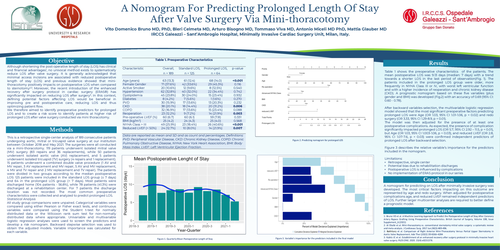
Table 1 shows the preoperative characteristics of the patients. The mean postoperative LOS was 9.13 days (median: 7 days) with a trend towards a
shorter LOS in the last period of observation(Fig. 1). The patients included in the prolonged LOS group were older, more frequently in
NYHA Class III or IV, with worst left ventricular function and with a higher incidence of reoperation and chronic kidney disease (CKD). A
prognostic nomogram based on these five variables (plus gender and BMI) was developed (Fig.2) with an accuracy of 0.69 (95% CI: 0.60 - 0.78).
After backward variables selection, the multivariable logistic regression model showed that the most significant preoperative factors predicting
prolonged LOS were Age (OR 1.03, 95% CI 1.01-1.06, p = 0.02) and redo surgery (OR 3.33, 95% CI 1.29-8.9, p = 0.01). The model was then adjusted for the
presence of at least one postoperative complication. As expected, the presence of complications significantly impacted on LOS (OR 5.7, 95% CI 2.92 – 11.5, p
< 0.01), but Age (OR 1.03, 95% CI 1.003-1.06, p = 0.03), and reduced LVEF (OR 2.8, 95% CI 1.07-7.6, p = 0.03) were confirmed independent
predictors of prolonged LOS after backward selection. Figure 3 describes the relative variable’s importance for the predictors
included in the nomogram.
Limitations:
• Retrospective, single center
• Potential bias due to rehabilitation discharges
• Postoperative LOS is influenced by complications
• No implementation of ERAS protocol in our series
Conclusion
A nomogram for predicting on LOS after minimally invasive surgery was developed. The most critical factors impacting on this outcome are
represented by age and redo surgery. When adjusted for postoperative complications age, and reduced LVEF remained independent predictors
of LOS. Further larger multicenter analyses are required to better define a prognostic model.