477 posters, 14 topics, 2,065 authors, 1,055 institutions
ePostersLive by SciGen Technologies S.A. All rights reserved.
The Joint EBJIS-MSIS 2026 Conference
17 - 19 September, 2026 | Porto, Portugal

EP472
Native Vertebral Osteomyelitis: 11 Years of Experience in a General Hospital in Argentina
Part of Topic
Spinal Infections
Native Vertebral Osteomyelitis:
11 Years of Experience in a General Hospital in Argentina
Native Vertebral Osteomyelitis (NVO) accounts for 2%–7% of osteomyelitis cases in adults1, with rising global incidence. Epidemiology varies by region, age, and risk factors. The typically subacute presentation often delays diagnosis. Given the limited regional data available, this study aims to better characterise NVO and describe diagnostic and therapeutic approaches.
A retrospective study was conducted in adults (≥18 years) diagnosed with NVO. Clinical, epidemiological, and microbiological data, as well as medical–surgical management, were extracted from medical records and analyzed. Statistical analysis was performed using STATA® 14.2.
Results
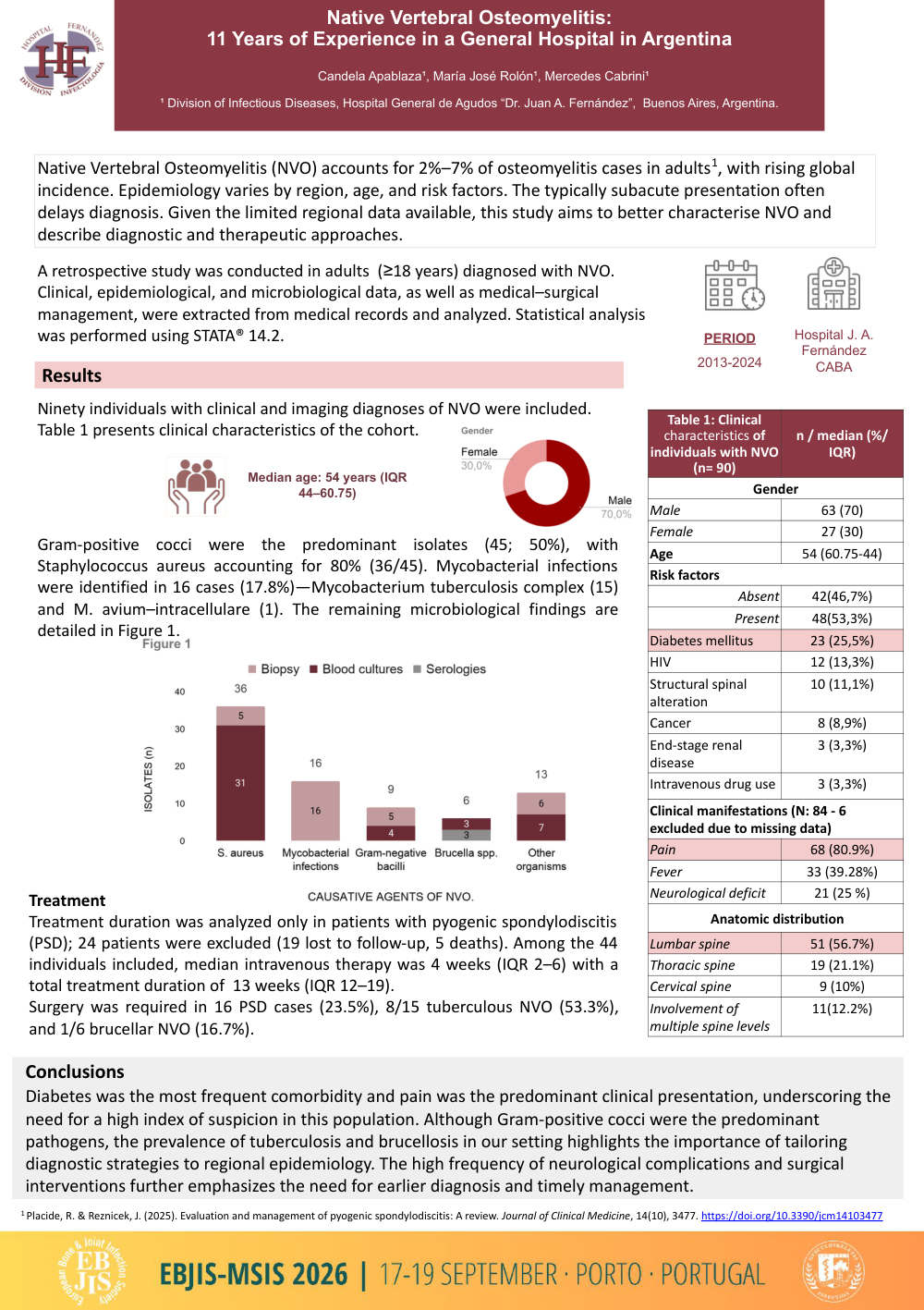
Ninety individuals with clinical and imaging diagnoses of NVO were included.
Table 1 presents clinical characteristics of the cohort.
Gram-positive cocci were the predominant isolates (45; 50%), with Staphylococcus aureus accounting for 80% (36/45). Mycobacterial infections were identified in 16 cases (17.8%)—Mycobacterium tuberculosis complex (15) and M. avium–intracellulare (1). The remaining microbiological findings are detailed in Figure 1.
Treatment
Treatment duration was analyzed only in patients with pyogenic spondylodiscitis (PSD); 24 patients were excluded (19 lost to follow-up, 5 deaths). Among the 44 individuals included, median intravenous therapy was 4 weeks (IQR 2–6) with a total treatment duration of 13 weeks (IQR 12–19).
Surgery was required in 16 PSD cases (23.5%), 8/15 tuberculous NVO (53.3%), and 1/6 brucellar NVO (16.7%).
Conclusions
Diabetes was the most frequent comorbidity and pain was the predominant clinical presentation, underscoring the need for a high index of suspicion in this population. Although Gram-positive cocci were the predominant pathogens, the prevalence of tuberculosis and brucellosis in our setting highlights the importance of tailoring diagnostic strategies to regional epidemiology. The high frequency of neurological complications and surgical interventions further emphasizes the need for earlier diagnosis and timely management.