372 posters, 1 audios, 13 topics, 29 sessions, 1,035 authors, 449 institutions
ePostersLive by SciGen Technologies S.A. All rights reserved.
51st Annual Regional Anesthesiology and Acute Pain Medicine Meeting
April 16 - 18, 2026 | Phoenix, Arizona

2289060
Stellate Ganglion Block for Post-COVID-19 Chemosensory Dysfunction: A Case of Rapid and Sustained Recovery
Poster Presenter
Authors
Affiliations
Part of Topic
Medically Challenging Cases
• Post-COVID-19 chemosensory dysfunctions (dysosmia and dysgeusia) are common and
significantly affect quality of life
• Symptoms may persist for months to years and frequently co-occur, suggesting shared
neurological and autonomic mechanisms
•Proposed pathophysiology: autonomic dysregulation, neuroinflammation, and/or
cranial nerve involvement3
•Treatment options are limited, driving interest in neuromodulatory therapies
•Stellate ganglion block (SGB) has been used to modulate sympathetic outflow and
restore autonomic balance
•Emerging data suggests it may improve post-COVID-19 dysosmia and dysgusia1, 2
• 55-year-old female with PMHx hypertension, type 2 diabetes, and confirmed COVID-19
• Had persistent dysosmia and dysgusia >12 months, with significant nutritional and
quality of life impacts
•Symptoms resistant to conventional treatments (olfactory training, acupuncture, and
hyperbaric oxygen)
• Evaluated for SGB due to symptom chronicity
•Post-COVID-19 dysosmia and dysgusia are not currently FDA approved indications for
SGB
• Underwent right-sided SGB with 3mL 0.25% bupivicaine under ultrasound and
fluoroscopic guidance
• Rapid subjective improvement in smell and taste at one-week and one-month follow-
up
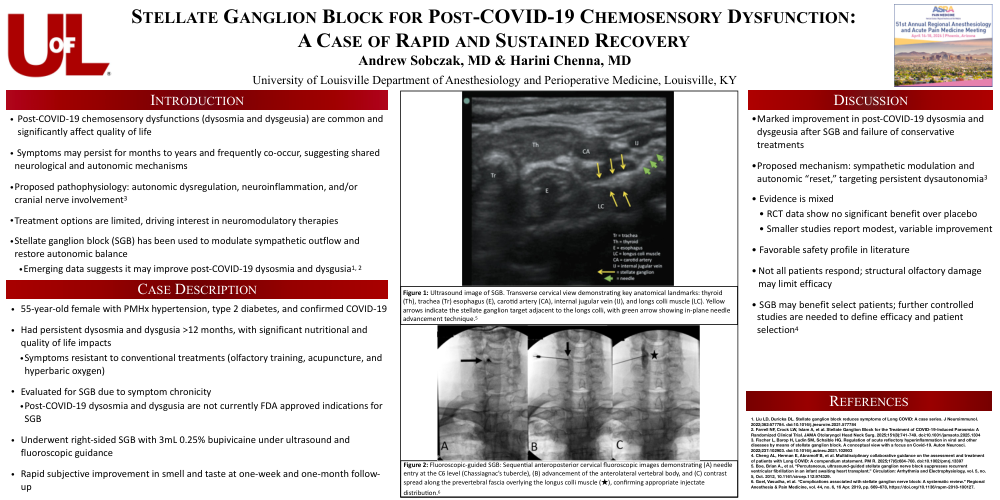
Figure 1: Ultrasound image of SGB. Transverse cervical view demonstrabng key anatomical landmarks: thyroid
(Th), trachea (Tr) esophagus (E), carobd artery (CA), internal jugular vein (IJ), and longs colli muscle (LC). Yellow
arrows indicate the stellate ganglion target adjacent to the longs colli, with green arrow showing in-plane needle
advancement technique.5
Figure 2: Fluoroscopic-guided SGB: Sequenbal anteroposterior cervical fluoroscopic images demonstrabng (A) needle
entry at the C6 level (Chassiagnac’s tubercle), (B) advancement of the anterolateral vertebral body, and (C) contrast
spread along the prevertebral fascia overlying the longus colli muscle (★), confirming appropriate injectate
distribubon.6
•Marked improvement in post-COVID-19 dysosmia and
dysgeusia after SGB and failure of conservative
treatments
•Proposed mechanism: sympathetic modulation and
autonomic “reset,” targeting persistent dysautonomia3
• Evidence is mixed
• RCT data show no significant benefit over placebo
• Smaller studies report modest, variable improvement
• Favorable safety profile in literature
• Not all patients respond; structural olfactory damage
may limit efficacy
• SGB may benefit select patients; further controlled
studies are needed to define efficacy and patient
selection4