206 posters, 13 topics, 5 sessions, 713 authors, 293 institutions
ePostersLive by SciGen Technologies S.A. All rights reserved.
AAPS 104th Annual Meeting
May 2-5, 2026 | Lihue, HI

D15
Independent Protective Effect Of Immediate Lymphatic Reconstruction On Lymphedema After Axillary Lymph Node Dissection: A Matched-Control Retrospective Analysis
Poster Presenter
Part of Topic
Lymphedema
Title: Immediate Lymphatic Reconstruction and Risk of Lymphedema After Axillary Lymph Node Dissection: A Propensity-Weighted Survival Analysis
Background:
•Breast cancer–related lymphedema (BCRL) affects 20–40% of patients after axillary lymph node dissection (ALND) and causes substantial long-term morbidity.
•Immediate lymphatic reconstruction (ILR) is an emerging preventive strategy, but real-world effectiveness data remain limited.
•Many prior studies rely on crude incidence comparisons and do not account for variable follow-up or baseline differences.
•Aim: To evaluate the association between ILR and time to BCRL diagnosis among patients undergoing mastectomy with ALND using propensity-weighted survival analysis.
Methods:
•Design: Retrospective cohort study (2020–2025) at a single tertiary academic center
•Exposure: ILR at time of mastectomy and ALND
•Outcome: Time to clinically diagnosed BCRL (by licensed lymphedema therapist)
•Follow-up: 6 months to 5 years
•Analysis:
1)Inverse probability of treatment weighting (IPTW)
2)Propensity-weighted Cox proportional hazards models
3)Complementary multivariable survival modeling
Results:
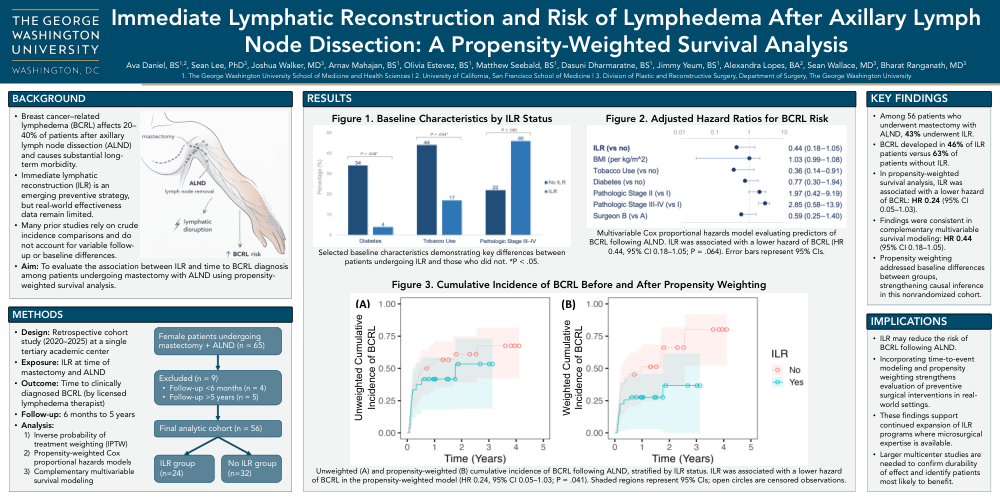
Figure 1: Baseline Characteristics by ILR Status
•Selected baseline characteristics demonstrating key differences between patients undergoing ILR and those who did not. *P < .05.
Figure 2: Adjusted Hazard Ratios for BCRL Risk
•Multivariable Cox proportional hazards model evaluating predictors of BCRL following ALND. ILR was associated with a lower hazard of BCRL (HR 0.44, 95% CI 0.18–1.05; P = .064). Error bars represent 95% CIs.
Figure 3: Cumulative Incidence of BCRL Before and After Propensity Weighting
•Unweighted (A) and propensity-weighted (B) cumulative incidence of BCRL following ALND, stratified by ILR status. ILR was associated with a lower hazard of BCRL in the propensity-weighted model (HR 0.24, 95% CI 0.05–1.03; P = .041). Shaded regions represent 95% CIs; open circles are censored observations.
Key Findings:
•Among 56 patients who underwent mastectomy with ALND, 43% underwent ILR.
•BCRL developed in 46% of ILR patients versus 63% of patients without ILR.
•In propensity-weighted survival analysis, ILR was associated with a lower hazard of BCRL: HR 0.24 (95% CI 0.05–1.03).
•Findings were consistent in complementary multivariable survival modeling: HR 0.44 (95% CI 0.18–1.05).
•Propensity weighting addressed baseline differences between groups, strengthening causal inference in this nonrandomized cohort.
Implications:
•ILR may reduce the risk of BCRL following ALND.
•Incorporating time-to-event modeling and propensity weighting strengthens evaluation of preventive surgical interventions in real-world settings.
•These findings support continued expansion of ILR programs where microsurgical expertise is available.
•Larger multicenter studies are needed to confirm durability of effect and identify patients most likely to benefit.