477 posters, 14 topics, 2,052 authors, 1,056 institutions
ePostersLive by SciGen Technologies S.A. All rights reserved.
The Joint EBJIS-MSIS 2026 Conference
17 - 19 September, 2026 | Porto, Portugal

EP428
Unraveling treatment success in enterococcal prosthetic joint infections: a systematic review and meta-analysis with individual patient data
Part of Topic
Prosthetic Joint Infections
Esther Y. van Hulten¹, Lianne Messchendorp², Henk Scheper¹, Mark G. J. de Boer¹
¹ Department of Infectious Diseases, Leiden University Medical Center, Leiden, the Netherlands
² Department of Medical Microbiology, University Medical Center Groningen, University of Groningen, Groningen, the Netherlands
Unravelling treatment success in enterococcal prosthetic joint infection: a systematic review with individual patient data
Background
Enterococcal prosthetic joint infection (PJI) is often associated with polymicrobial co-infection, antimicrobial resistance and limited treatment options, resulting in a poor prognosis.
Aim
This review estimates the outcome of enterococcal PJI in different subgroups, focusing on methodological quality of included studies.
Methods
- PubMed and Embase until 8 January 2025
- Adults with PJI caused by Enterococcus spp.; two reviewers screened, extracted and appraised quality (Newcastle–Ottawa)
- Outcome: treatment success as defined by each study
- Pooled proportion — random effects, Freeman–Tukey, REML, Hartung–Knapp, with a 95% prediction interval
Snapshot
- 11 — studies included in the review
- 638 — enterococcal PJI episodes (10 studies)
- 194 — patients with individual patient data (5 studies)
- 53% — of infections polymicrobial
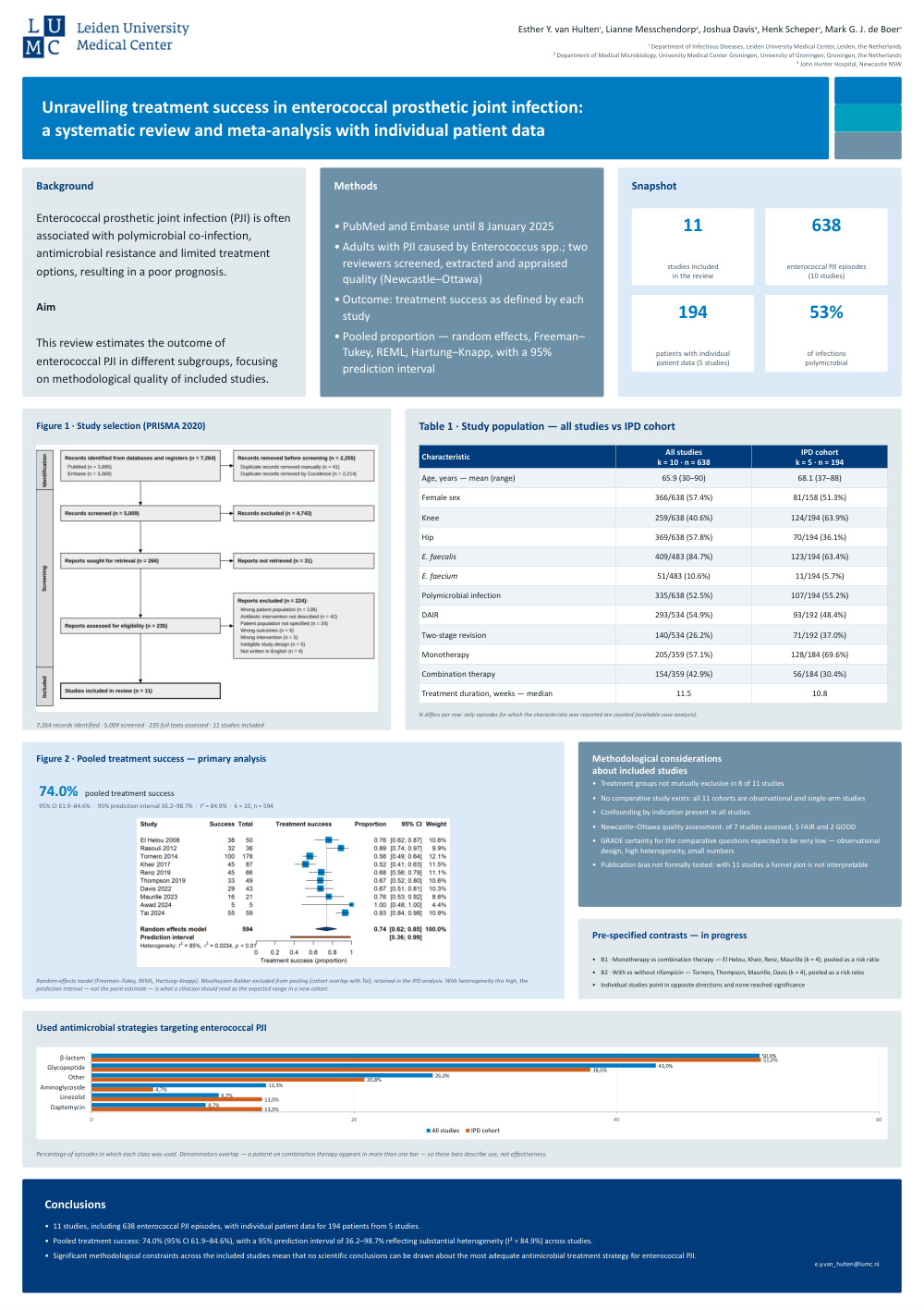
Figure 1 · Study selection (PRISMA 2020)
[PRISMA-diagram]
7,264 records identified · 5,009 screened · 235 full texts assessed · 11 studies included
Table 1 · Study population — all studies vs IPD cohort
| Characteristic | All studies, k = 10 · n = 638 | IPD cohort, k = 5 · n = 194 |
|---|---|---|
| Age, years — mean (range) | 65.9 (30–90) | 68.1 (37–88) |
| Female sex | 366/638 (57.4%) | 81/158 (51.3%) |
| Knee | 259/638 (40.6%) | 124/194 (63.9%) |
| Hip | 369/638 (57.8%) | 70/194 (36.1%) |
| E. faecalis | 409/483 (84.7%) | 123/194 (63.4%) |
| E. faecium | 51/483 (10.6%) | 11/194 (5.7%) |
| Polymicrobial infection | 335/638 (52.5%) | 107/194 (55.2%) |
| DAIR | 293/534 (54.9%) | 93/192 (48.4%) |
| Two-stage revision | 140/534 (26.2%) | 71/192 (37.0%) |
| Monotherapy | 205/359 (57.1%) | 128/184 (69.6%) |
| Combination therapy | 154/359 (42.9%) | 56/184 (30.4%) |
| Treatment duration, weeks — median | 11.5 | 10.8 |
N differs per row: only episodes for which the characteristic was reported are counted (available-case analysis).
Figure 2 · Pooled treatment success — primary analysis
74.0% pooled treatment success
95% CI 61.9–84.6% · 95% prediction interval 36.2–98.7% · I² = 84.9% · k = 10, n = 594
[forest plot]
Random-effects model (Freeman–Tukey, REML, Hartung–Knapp). Wouthuyzen-Bakker excluded from pooling (cohort overlap with Tai), retained in the IPD analysis. With heterogeneity this high, the prediction interval — not the point estimate — is what a clinician should read as the expected range in a new cohort.
Methodological considerations about included studies
- Treatment groups not mutually exclusive in 8 of 11 studies
- No comparative study exists: all 11 cohorts are observational and single-arm studies
- Confounding by indication present in all studies
- Newcastle–Ottawa quality assessment: of 7 studies assessed, 5 FAIR and 2 GOOD
- GRADE certainty for the comparative questions expected to be very low — observational design, high heterogeneity, small numbers
- Publication bias not formally tested: with 11 studies a funnel plot is not interpretable
Pre-specified contrasts — in progress
- B1 · Monotherapy vs combination therapy — El Helou, Kheir, Renz, Maurille (k = 4), pooled as a risk ratio
- B2 · With vs without rifampicin — Tornero, Thompson, Maurille, Davis (k = 4), pooled as a risk ratio
- Individual studies point in opposite directions and none reached significance
Used antimicrobial strategies targeting enterococcal PJI
[staafdiagram: β-lactam, Glycopeptide, Other, Aminoglycoside, Linezolid, Daptomycin — All studies vs IPD cohort]
Percentage of episodes in which each class was used. Denominators overlap — a patient on combination therapy appears in more than one bar — so these bars describe use, not effectiveness.
Conclusions
- 11 studies, including 638 enterococcal PJI episodes, with individual patient data for 194 patients from 5 studies.
- Pooled treatment success: 74.0% (95% CI 61.9–84.6%), with a 95% prediction interval of 36.2–98.7% reflecting substantial heterogeneity (I² = 84.9%) across studies.
- Significant methodological constraints across the included studies mean that no scientific conclusions can be drawn about the most adequate antimicrobial treatment strategy for enterococcal PJI.