343 posters, 5 videos, 2 audios, 18 topics, 33 sessions, 263 authors, 202 institutions
ePostersLive by SciGen Technologies S.A. All rights reserved.
24th Annual Pain Medicine Meeting 2025
November 13-15, 2025| JW Marriott Austin, Austin, Texas

2227258
Stellate Ganglion Block in the Treatment of Long COVID: Preliminary Findings of a Systematic Review
Poster Presenter
Authors
Affiliations
Part of Topic
Scientific Abstracts - Late Breaking > Regional Anesthesia
Stellate Ganglion Block in the Treatment of Long COVID: Preliminary Findings of a Systematic Review
Background
-
Post Acute Sequelae of SARS-CoV-2, also known as Long COVID, is a chronic condition that can occur after COVID-19 infection.
-
Stellate ganglion block (SGB) is a treatment traditionally used to manage autonomic dysfunction and pain, but has gained traction as a possible, off-label treatment for the varied constellation of symptoms seen in Long COVID.
Inclusion/Exclusion Criteria
-
To be included, studies must examine outcomes of patients diagnosed with long COVID after at least one SGB, be written in English, and have the full-text article available.
-
Of the 45 results, the following were excluded: 14 duplicate results, 12 case reports/series, 4 unpublished/ongoing clinical trials, 2 articles examining unrelated therapies (ketamine, OMT), and 6 reviews/clinical guidelines that were not specific to SGB in the setting of long COVID.
Results
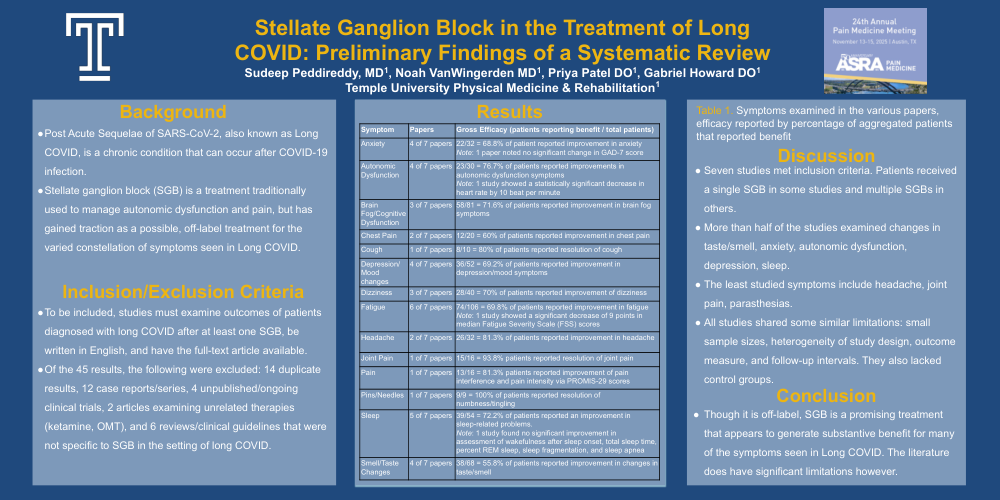
Table 1. Symptoms examined in the various papers, efficacy reported by percentage of aggregated patients that reported benefit
|
Symptom |
Papers |
Gross Efficacy (patients reporting benefit / total patients) |
|
Anxiety |
4 of 7 papers |
22/32 = 68.8% of patient reported improvement in anxiety Note: 1 paper noted no significant change in GAD-7 score |
|
Autonomic Dysfunction |
4 of 7 papers |
23/30 = 76.7% of patients reported improvements in autonomic dysfunction symptoms Note: 1 study showed a statistically significant decrease in heart rate by 10 beat per minute |
|
Brain Fog/Cognitive Dysfunction |
3 of 7 papers |
58/81 = 71.6% of patients reported improvement in brain fog symptoms |
|
Chest Pain |
2 of 7 papers |
12/20 = 60% of patients reported improvement in chest pain |
|
Cough |
1 of 7 papers |
8/10 = 80% of patients reported resolution of cough |
|
Depression/ Mood changes |
4 of 7 papers |
36/52 = 69.2% of patients reported improvement in depression/mood symptoms |
|
Dizziness |
3 of 7 papers |
28/40 = 70% of patients reported improvement of dizziness |
|
Fatigue |
6 of 7 papers |
74/106 = 69.8% of patients reported improvement in fatigue Note: 1 study showed a significant decrease of 9 points in median Fatigue Severity Scale (FSS) scores |
|
Headache |
2 of 7 papers |
26/32 = 81.3% of patients reported improvement in headache |
|
Joint Pain |
1 of 7 papers |
15/16 = 93.8% patients reported resolution of joint pain |
|
Pain |
1 of 7 papers |
13/16 = 81.3% patients reported improvement of pain interference and pain intensity via PROMIS-29 scores |
|
Pins/Needles |
1 of 7 papers |
9/9 = 100% of patients reported resolution of numbness/tingling |
|
Sleep |
5 of 7 papers |
39/54 = 72.2% of patients reported an improvement in sleep-related problems. Note: 1 study found no significant improvement in assessment of wakefulness after sleep onset, total sleep time, percent REM sleep, sleep fragmentation, and sleep apnea |
|
Smell/Taste Changes |
4 of 7 papers |
38/68 = 55.8% of patients reported improvement in changes in taste/smell |
Discussion
-
Seven studies met inclusion criteria. Patients received a single SGB in some studies and multiple SGBs in others.
-
More than half of the studies examined changes in taste/smell, anxiety, autonomic dysfunction, depression, sleep.
-
The least studied symptoms include headache, joint pain, parasthesias.
-
All studies shared some similar limitations: small sample sizes, heterogeneity of study design, outcome measure, and follow-up intervals. They also lacked control groups.
Conclusion
-
Though it is off-label, SGB is a promising treatment that appears to generate substantive benefit for many of the symptoms seen in Long COVID. The literature does have significant limitations however.